
Hospital Management
A college degree in Hospital Management based on the German DUAL Methodology, integrating theory, supervised practice, and hands-on experience in a hospital setting starting in the first semester.

Integrated hybrid model
Academic Theory and Hospital Practice Going Hand in Hand
Inspired by the German dual system, the Higher Education Program combines two learning environments: SCOLLA College, which provides the academic foundation, and the partner hospital, where students engage in supervised professional practice.
In-person activities will take place at partner hospitals, exposing students to the realities of hospital management through practical experiences in real-world learning environments, inspired by the German dual system.
Two learning environments
Students alternate between theoretical coursework through distance learning and supervised clinical experience in a hospital setting.
70% practical, 30% theoretical
The DUAL approach values real-world work experience without neglecting the academic foundation.
Mentoring at the hospital
A clinical and administrative mentor monitors the student's practice and coordinates the student's progress with the academic advisor.
Real-world problem-based projects
Each cycle links disciplines to assessments, improvements, and indicators within the hospital ecosystem.
Sector-based job rotation
Billing, supplies, OPME, operating room, hospitality, quality, accreditation, and patient care.
Tripartite Agreement
Students, hospitals, and colleges share responsibility for learning, clinical practice, and follow-up.

Learning management within the context in which it takes place
The DUAL model exposes students to the routines, workflows, and decision-making processes of the hospital, transforming theory into a critical analysis of hospital operations.
- Experience guided by mentors and teachers
- Projects related to real-world management problems
- Academic portfolio with evidence of learning
True distance learning: flexible, connected, and supervised
Scolla's distance learning program combines asynchronous classes, live sessions, and forums with instructors. Each semester, the emphasis on hospital-based learning increases until students reach the stage of professional immersion.
In its own time, with depth
Learning paths that you can access whenever and wherever you want, while maintaining your study pace.
- Video lessons available on the academic platform and course materials by subject
- Case studies, quizzes, and practice tests
- Forums with teachers and hands-on activities
In-person get-togethers with the group
Real-time classes for collaborative discussions, mentoring, and curriculum integration.
- 1 session of 3 hours or 2 sessions of 2 hours per week
- 18 weeks per semester
- Case discussions, academic mentoring, and interaction with professors
In-Person Learning with a Purpose
Supervised internships, community service projects, and hands-on activities in a hospital setting.
- 400 hours of supervised internship
- 600 hours of community service projects and hospital internships
- 120 hours of in-person activities distributed across courses
From Distance Learning to the Hospital
The college program progresses from theoretical foundations to professional experience, with a gradual increase in hands-on practice in real-world settings.
- Early semesters with a strong conceptual foundation
- Outreach projects at the hospital since its inception
- Internship and Integrative Project in the Final Cycle
Our commitment — the “hospital-based learning” model. Learning takes place within the hospital ecosystem: a distance learning program that turns participation into impact and prepares students for real-world practice, with academic quality and regulatory compliance.
A planned, progressive, and purpose-driven path
Five semesters that progress from the fundamentals to hands-on experience. In-person learning grows alongside the student—from knowledge to experience, from connection to employability.
| Discipline | CH | Category |
|---|---|---|
| Introduction to Hospital Management | 80 | Distance Learning |
| The Health Care System in Brazil and Public Health Policies | 60 | Distance Learning |
| Human Resources Management in Health CareIntegrator | 90 | Synchronous Distance Learning |
| Fundamentals of Management | 60 | Distance Learning |
| Communication and Relationships in the Hospital Setting | 60 | Synchronous Distance Learning |
| Bioethics and Professional Ethics | 60 | Distance Learning |
| Extension Project I – Environmental Assessment (PGRSS Analysis) | 120 | Hospital / workplace |
| Discipline | CH | Category |
|---|---|---|
| Planning, Organization, and Compliance in Health Services; Health Legislation and RegulationIntegrative | 90 | Synchronous Distance Learning |
| Financial Management | 80 | Distance Learning |
| Supply Chain Management, OPME, and Strategic Materials in Healthcare | 60 | Distance Learning |
| Humanities | 80 | Distance Learning |
| Contract Management with Operators, Accreditation, and Provider Network | 80 | Distance Learning |
| Extension Project II – Health Services Assessment | 120 | Hospital / workplace |
| Discipline | CH | Category |
|---|---|---|
| Quality Management in Health Services and AIIntegrator | 90 | Synchronous Distance Learning |
| Hospital Auditing and Billing and the TISS Standard | 60 | Distance Learning |
| Hospital Costs, Pricing, and Payment Models | 90 | Synchronous Distance Learning |
| Patient Safety and Hospital Accreditation | 60 | In-Person at the Hospital |
| Materials Management and Hospital Pharmacy | 60 | Distance Learning |
| Extension Project III – Improvement of Hospital Processes | 120 | Hospital / workplace |
| Discipline | CH | Category |
|---|---|---|
| Leadership and Management of Multidisciplinary Teams | 60 | Distance Learning |
| Bed Management, Hospitality, and Humanization in Hospitals | 60 | In-Person at the Hospital |
| Healthcare Technologies and Innovation | 80 | Distance Learning |
| Epidemiology and Hospital Indicator ManagementIntegrative | 90 | Synchronous Distance Learning |
| Support Services Management (SADT, CME, Hospitality) | 80 | Distance Learning |
| Extension Project IV – Quality and Safety in Health Services | 120 | Hospital / workplace |
| Discipline | CH | Category |
|---|---|---|
| Strategic Planning in HealthIntegrative | 54 | Synchronous Distance Learning |
| Hospital Operations Management | 54 | Synchronous Distance Learning |
| Elective (Brazilian Sign Language, Entrepreneurship, Advanced Topics) | 60 | Distance Learning |
| Supervised Internship | 400 | Hospital / Workplace |
| Patient Care Processes and Hospital Workflows | 40 | Distance Learning |
| Extension Project V – Integrative Project in Hospital Management | 120 | Hospital / Workplace |
Active learning methodology: On-site presence at the hospital ensures practical examples are incorporated into the undergraduate program. The course load and schedule may be adjusted in accordance with the approved pedagogical plan, while remaining in line with MEC/INEP guidelines.
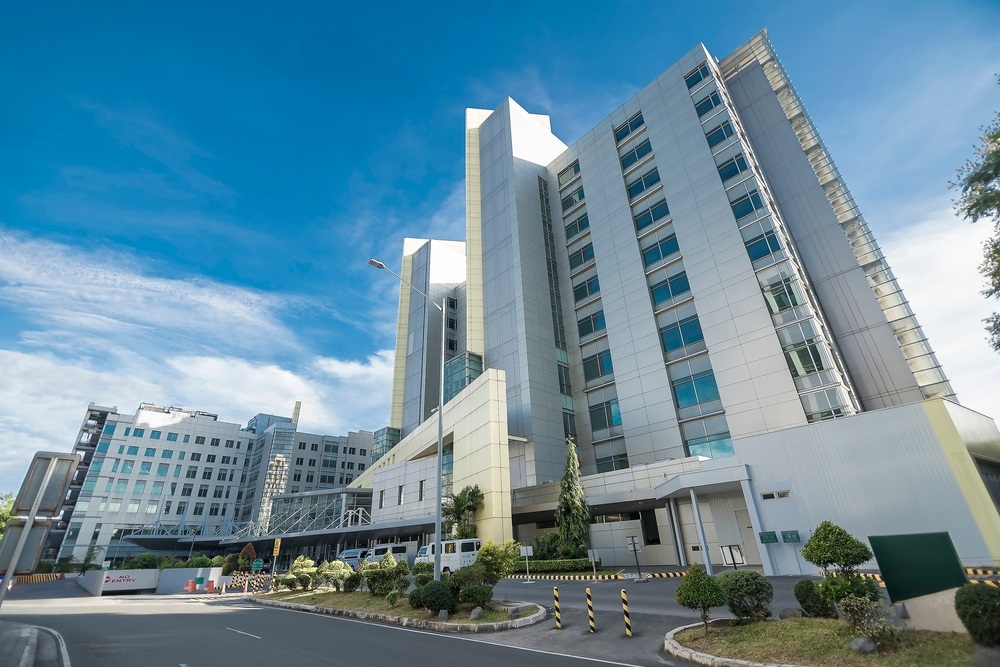
Where a hospital administrator can work
The field of work is broad and keeps pace with the growing complexity of the healthcare sector, in both the private and public sectors.
Job Market
Hospital administrators can work in various healthcare institutions, managing processes, teams, performance metrics, administrative workflows, and improvement projects.

Student Profile
It is a higher education program for those who wish to work in roles involving organization, leadership, and decision-making in high-responsibility environments.
- Interest in management, processes, and continuous improvement.
- Ability to communicate and build relationships with multidisciplinary teams.
- Analytical thinking for managing hospital indicators, costs, and workflows.
- An ethical, organized, and well-prepared approach to complex situations in the healthcare sector.
- A desire to learn in a real-world work environment, with supervision and mentoring.
Coordination Linked to Actual Health Care Management
The coordination of the graduate program combines executive experience, hospital practice, and an academic perspective applied to contemporary challenges in healthcare.
Prof. Anderson Venâncio
Coordinator of the Higher Education Program in Hospital Management TechnologyAdministrator, with a master’s degree in Psychology and currently pursuing a Ph.D. in Education, with over 20 years of experience in hospital management, supplemental health care, and operations leadership in highly complex organizations.
Teachers Who Are Part of the Hospital Ecosystem
A team of experts who combine academic rigor with practical experience in the healthcare market.
 Anderson Venâncio
 Everton Paiva
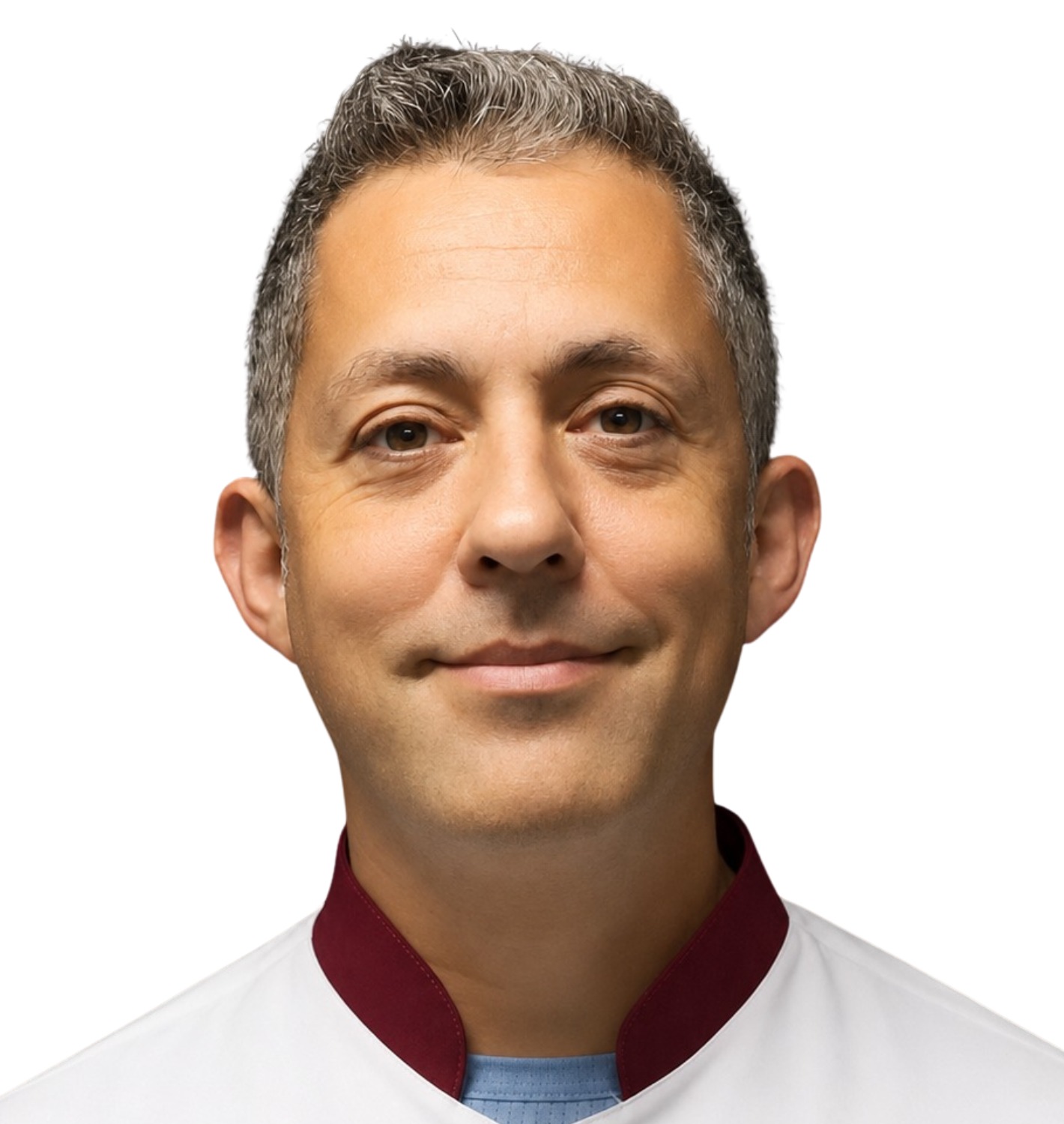 Jean Zuber
 Marcelo Wisnievski
 Márcio Duarte
 Marisete Figueiredo
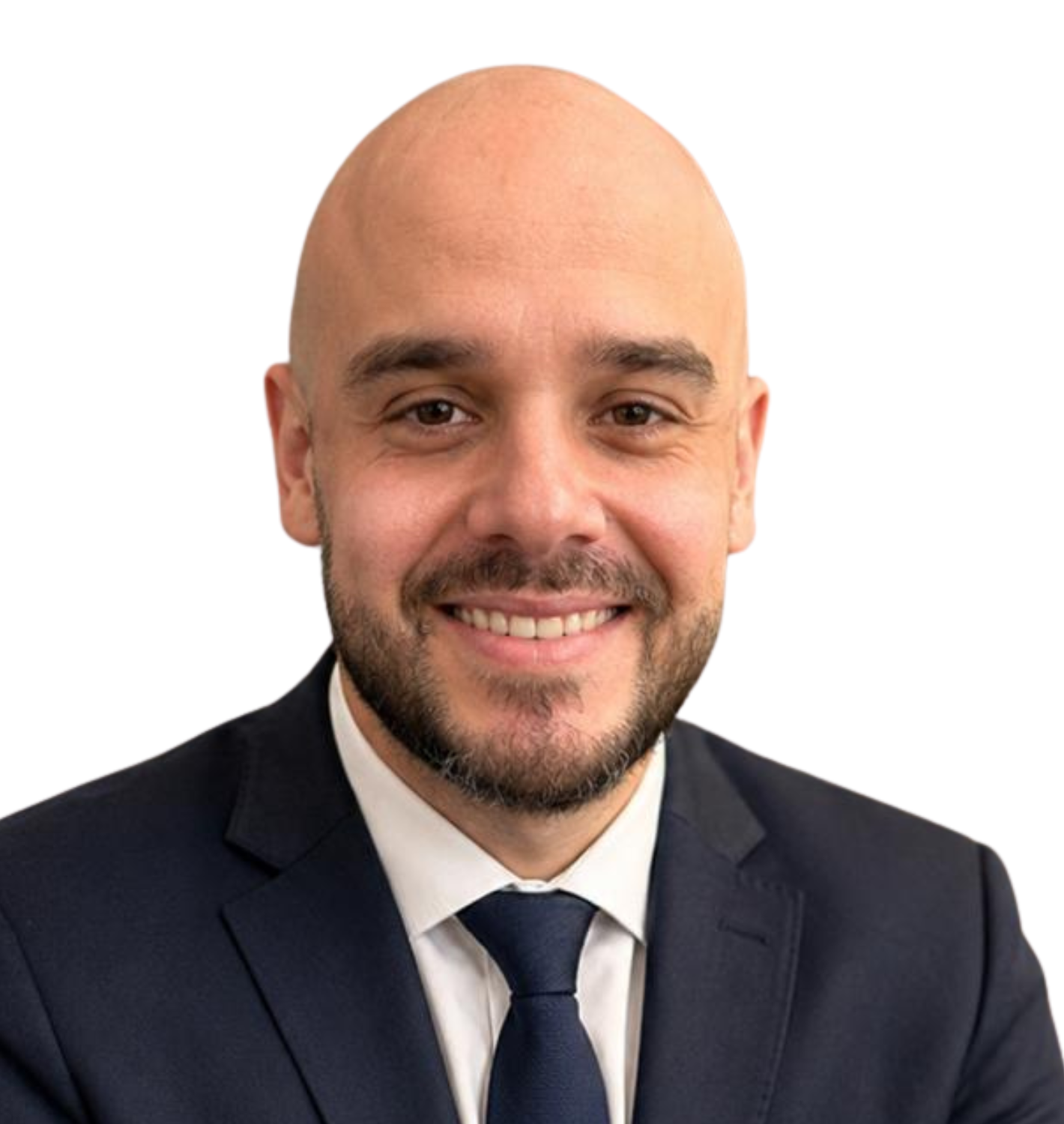 Thiago Dombroski
High-impact training at an affordable price
You’re investing in a journey that turns your internship into hands-on learning and prepares you for the future of healthcare management.